

Ceramic Plungers for Chemical Dosing, Reagent Dispensing and Filling
Why does a pump deliver consistently during setup, then begin to drift during production? Sometimes the problem is wear. In other cases, deposits, temperature changes or the fit between components affect how the plunger moves.
A ceramic plunger can provide a durable working surface, but choosing the right part requires more than selecting a hard material. Chemical dosing, reagent dispensing and automated filling place different demands on the ceramic piston, its mating sleeve and the complete pump assembly.
Material Comparison: Alumina or Zirconia?
Alumina and zirconia are common choices for ceramic pump components. Both offer wear resistance, but their mechanical and thermal properties differ.
| Material | Reasons to Consider It | Selection Checks |
|---|---|---|
| Alumina | A practical option for many dosing applications requiring a hard, wear-resistant surface. | Purity, liquid compatibility, cleaning conditions and mechanical loading. |
| Zirconia | Higher fracture toughness where mechanical stress is a concern. | Material grade, operating temperature, chemical compatibility and mating material. |
An alumina ceramic plunger is not automatically interchangeable with a zirconia ceramic plunger. Material changes may require a review of clearances and operating conditions. Check compatibility with the actual liquid and cleaning agents at their intended concentrations and temperatures.
Application Scenarios
Ceramic Plungers for Chemical Dosing
In a ceramic dosing pump, the working surfaces may encounter corrosive liquids, suspended particles or deposits left after shutdown. Start with the chemical composition, then consider how the liquid behaves during operation, cleaning and storage.
When selecting a ceramic plunger for chemical dosing, assess leakage, movement and wear over a representative operating period. A short water test may not reveal problems caused by the process liquid.
Ceramic Pistons for Reagent Dispensing
A ceramic piston for reagent dispensing often operates with small volumes and frequent starts and stops. Consistent movement, cleanliness and carryover between liquids therefore deserve close attention.
Review the piston and sleeve together, including their geometry, fit and cleaning method. If the reagent is sensitive to contamination, define the necessary cleanliness or compatibility tests before approving samples.
Ceramic Plungers for Filling Machines
A ceramic plunger for a filling machine needs to perform throughout repeated production cycles. Liquid viscosity, filling speed and cleaning between batches can all affect the assembly.
Test with the intended liquid at normal production speed and include the cleaning cycle. For projects requiring a complete unit, our alumina ceramic metering pump provides related product information.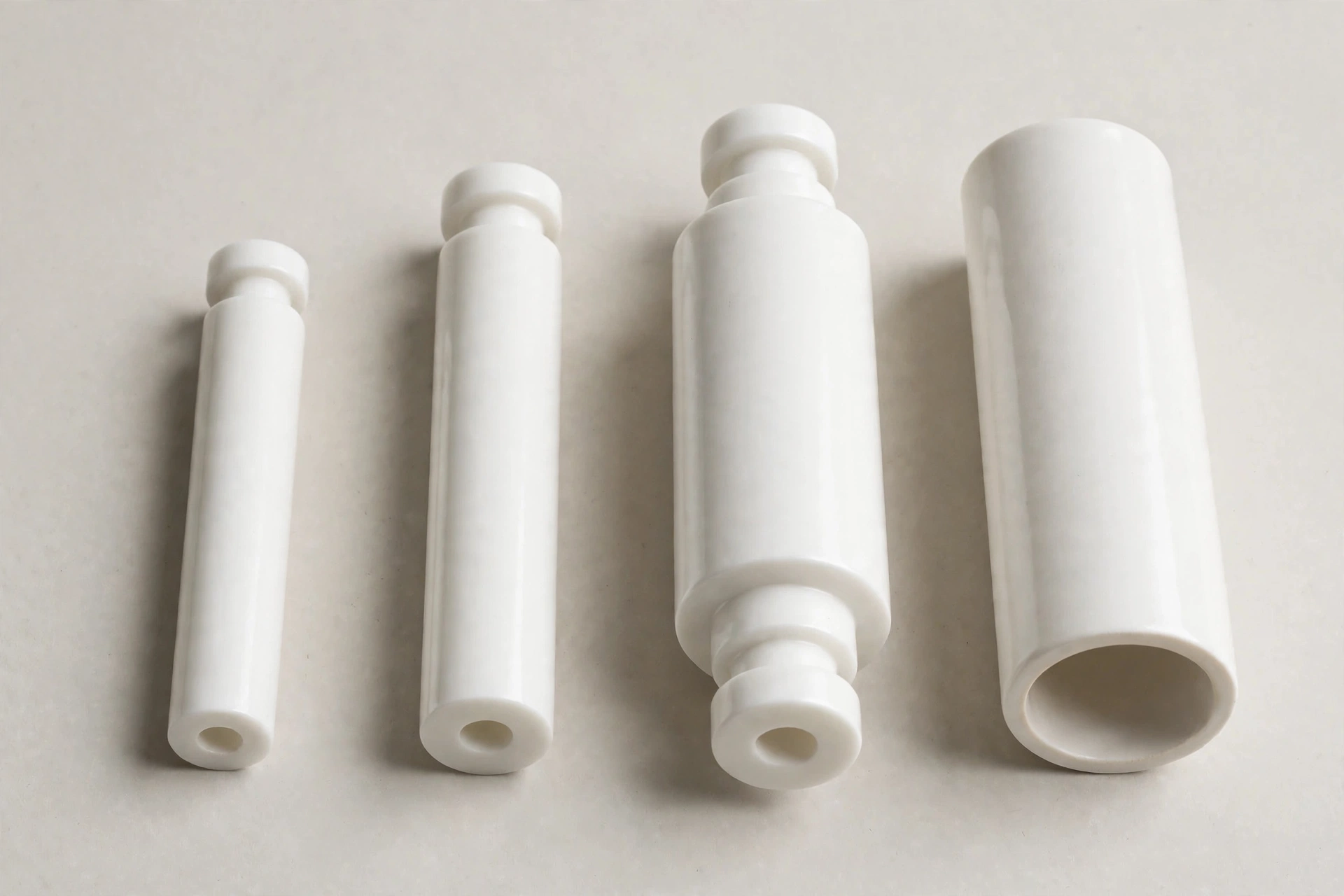
Selection Advice: Start with the Working Conditions
Before specifying a ceramic plunger pump or replacing its internal components, bring the drawing and operating requirements together. Useful information includes:
- Liquid composition, concentration, viscosity and particle content.
- Operating temperature and cleaning procedure.
- Working pressure, stroke, speed and daily operating hours.
- Required delivery volume, repeatability and acceptable leakage.
- Mating sleeve or seal material and assembly dimensions.
A tighter fit is not always the right fit. The assembly must move freely under working conditions while meeting leakage requirements. Diameter, roundness, straightness and surface finish should be considered together.
If you are still choosing the equipment, read our metering pump selection guide to help define the requirements for your ceramic metering pump.
Choosing a Supplier
Ask how the supplier inspects the working surfaces and mating dimensions. For a plunger-and-sleeve set, confirm whether the components are measured individually, matched together and identified for delivery.
Agree on the inspection records and sample acceptance criteria before production. A useful trial reflects your liquid, temperature, pressure and operating cycle as closely as practical.
If a previous plunger cracked, share photographs and explain when the failure occurred. Our article on ceramic plunger cracking and prevention offers a starting point for reviewing possible causes.
Frequently Asked Questions
Can the same ceramic plunger work in different applications?
Possibly, but each application needs checking. Similar dimensions do not mean the liquids, cleaning conditions and performance requirements are the same.
Should the plunger and sleeve be purchased together?
For a design that relies on a closely matched pair, purchasing them together allows the fit to be checked as a set. A replacement plunger must still be assessed against the existing sleeve.
Does a polished ceramic piston guarantee accurate dispensing?
No. Dispensing performance also depends on component geometry, fit, valves, the drive system and operating conditions. Surface finish is only one part of the specification.
Discuss Your Application with CERAMPRO
Send CERAMPRO your drawing, liquid details and operating conditions. Tell us whether you need a replacement ceramic plunger, a matched plunger-and-sleeve set or a complete metering pump. We can review the requirements and prepare a quotation for your application.


